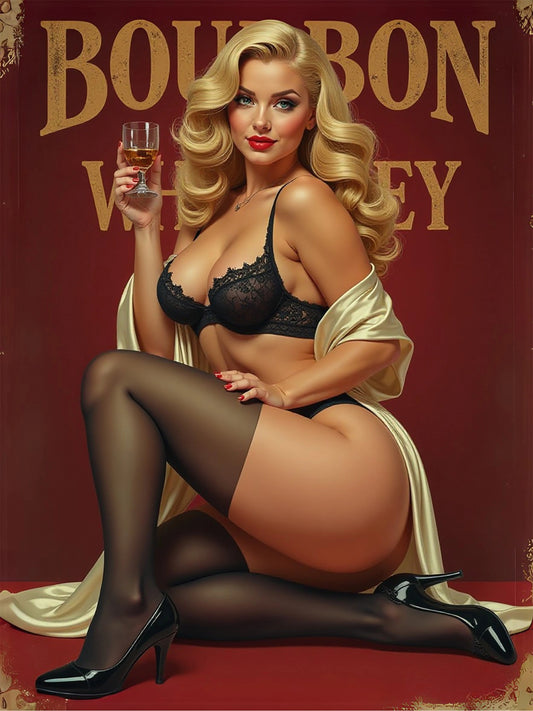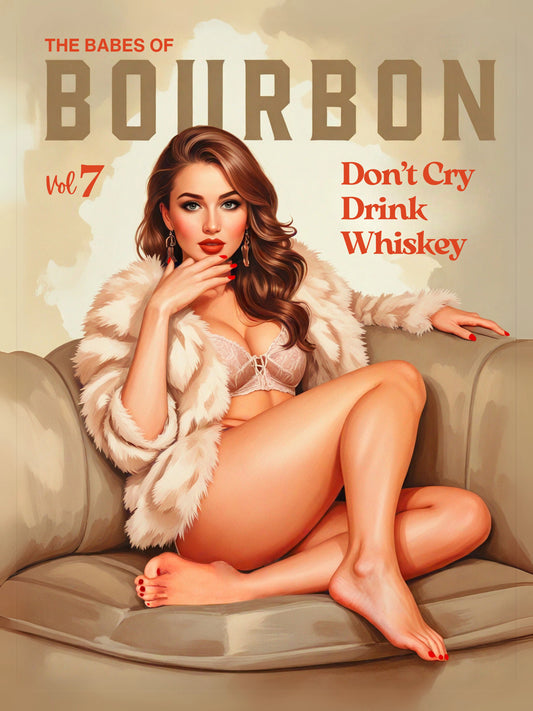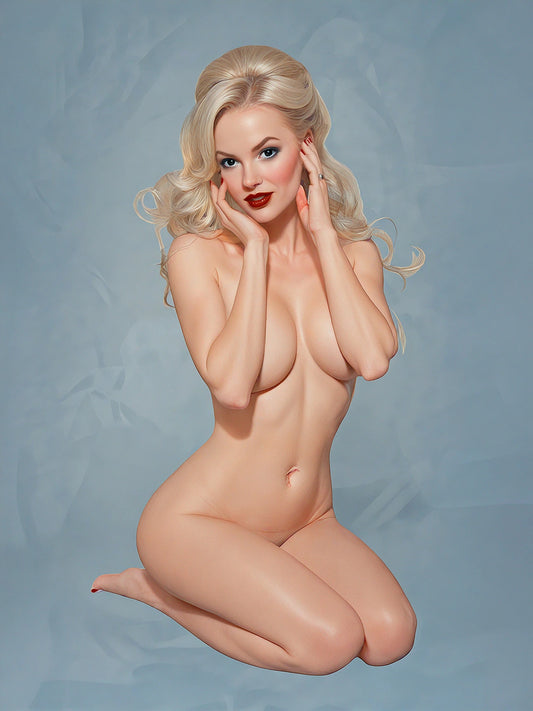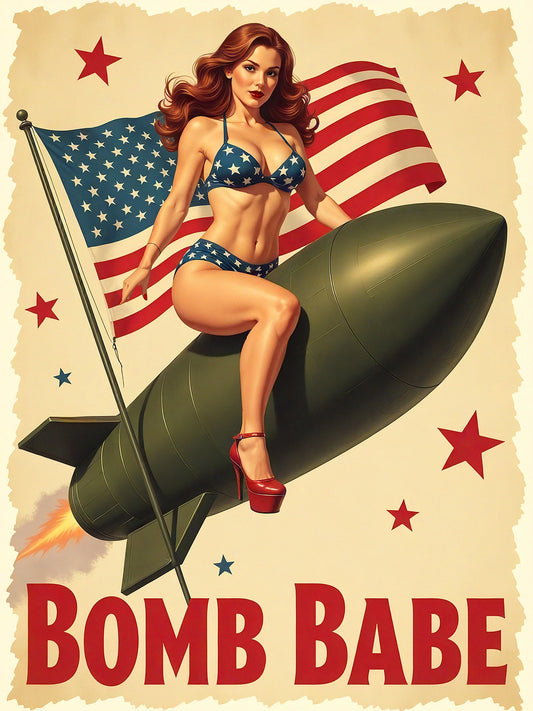

Pin up art is the hand-illustrated fantasy of feminine glamour, flirtatious tease and idealized beauty that reached its absolute golden peak from the late 1930s through the 1950s. These artworks served as powerful morale lifelines during World War II, top-selling pin up calendar subjects, magazine centerfolds and enduring symbols of optimism, sensuality and joyful escapism that continue to influence pinup tattoo, fashion, advertising, 1950s pinup photography and retro revival culture today 💖.
🌟 The Three Foundational Masters of Pin Up Art
- Alberto Vargas – The Art of Supreme Elegance Creator of the legendary Vargas Girl. Long-limbed, airbrushed goddesses with high-fashion sensuality — the most refined and aspirational pin up art of the WWII & Esquire era. See how his style contrasts with 1950s pinup photography.
- Gil Elvgren – Sunny & Playful Tease Master of bright, relatable naughtiness. Wardrobe slips, big smiles, Coca-Cola palette — his Brown & Bigelow calendar girls were the most widely distributed and universally adored illustrations of the 1950s. Explore how his poses connect to our classic pin-up poses guide and how to pose like a classic pin-up girl.
- Sailor Jerry – Bold Nautical Power Graphic, high-contrast pin up art made for sailors — hula girls, roses, anchors, sexy nurses. Became the absolute foundation of traditional pinup tattoo flash and remains massively influential in ink culture.
🎨 Core Traits That Define Golden-Age Pin Up Art
- Exaggerated hourglass figures & impossibly long legs
- Playful teasing scenarios (slips, bends, peeks, wardrobe accidents) → master similar body language in our pin-up posing mastery guide
- Direct eye contact or coy over-the-shoulder glance
- Airbrush-flawless skin & vibrant, uplifting colors
- Fantasy-meets-everyday settings — beaches, boudoirs, garages, ship decks
👗 Pin Up Art in the Modern Revival
Today pin up art continues to thrive through:
- Neo-pinup & lowbrow illustration scenes
- Traditional & neo-traditional pinup tattoo flash & custom sleeves
- Digital reinterpretations, vector art & retro pinup image filter
- Gallery prints, clothing lines, home decor & collector merchandise → browse the full female pinup portrait collection
At Pinup Portrait we specialize in transforming real photos into classic pin up art style — capturing the elegance of Vargas, the playfulness of Elvgren or the boldness of Sailor Jerry with your face as the star 🎨. Compare the illustrated vs photographic difference in our 1950s pinup photography guide.
🔥 Ready to Become Pin Up Art?
Step into the illustrated fantasy — your glamour becomes eternal!
🌟 Order Your Custom Pinup Portrait Today! 🌟
Upload any photo & receive breathtaking pin up art created with authentic vintage illustration soul by Pinup Portrait!
Order Your Custom Pinup Portrait Now → or explore all pinup portrait styles 🎨💖🚀
❓ FAQs
Q1: What exactly is pin up art? ✨ Pin up art refers to hand-illustrated (not photographed) images of glamorous, sensual women — most iconic from the 1930s–1950s in calendars, magazines and posters. Compare with pinup photography.
Q2: Who are the three most influential pin up art artists? 👑 Alberto Vargas (Vargas Girl – supreme elegance), Gil Elvgren (sunny playful charm), Sailor Jerry (bold tattoo-ready grit) — the foundational legends.
Q3: Why did pin up art become such a massive cultural force? 📅 It provided fantasy, hope & morale during WWII, was everywhere (Esquire, calendars, ads), and celebrated femininity in bright, uplifting colors.
Q4: Is pin up art still being created and collected today? 🔥 Yes — neo-pinup illustrators, lowbrow artists, tattoo flash designers & digital creators keep reinventing and celebrating the style.
Q5: Can I turn my photo into classic pin up art style? 🌹 Yes! Upload to Pinup Portrait — we create professional pin up art illustrations inspired by the golden-age masters.
Q6: How does pin up art differ from pinup photography? 📸 Pin up art = fantasy hand-drawn illustrations (Vargas, Elvgren). Pinup photography = real models posed & styled in the same aesthetic → see our 1950s pinup photography guide.
Q7: What is the biggest modern legacy of pin up art? ✨ Traditional pinup tattoo flash, retro fashion prints, burlesque aesthetics, advertising nostalgia, lowbrow art movement & digital vintage filters.