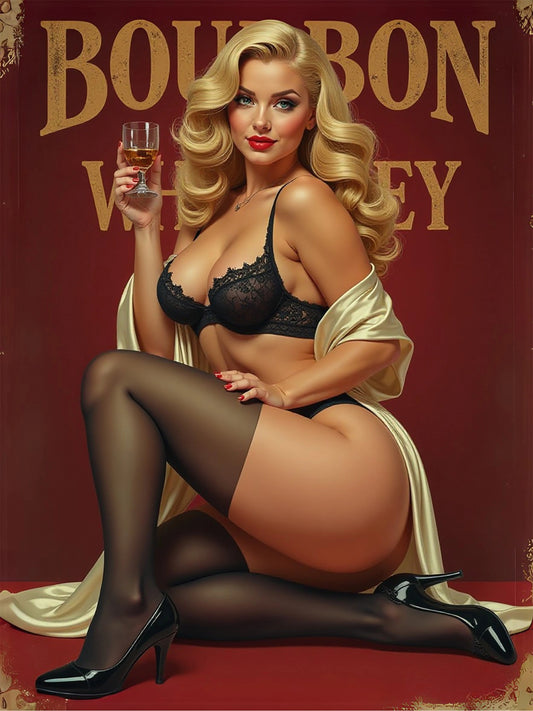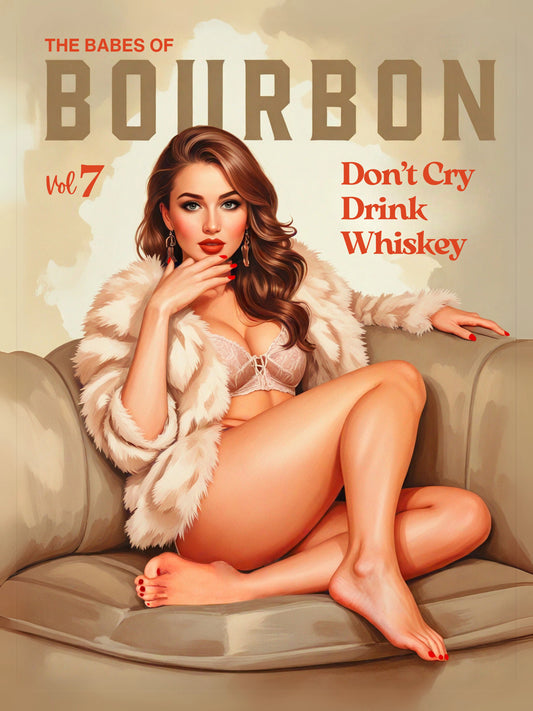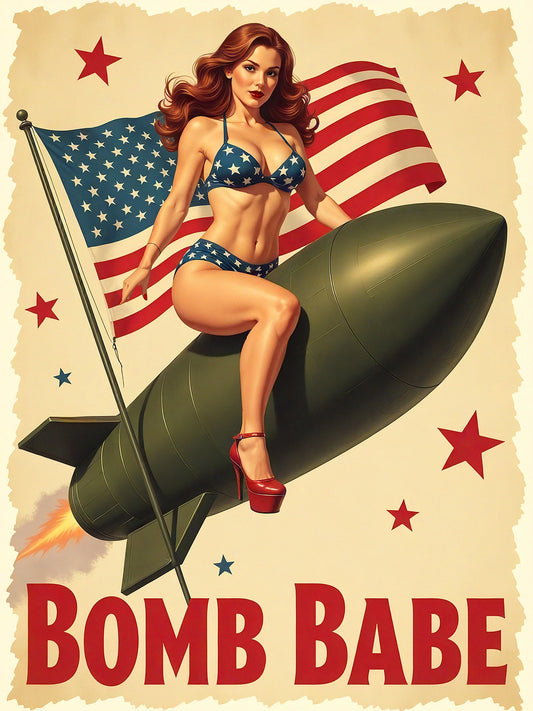

Pin-up (with the hyphen) is the traditional, historical spelling of the term—referring to women whose glamorous photos or illustrations were literally “pinned up” on walls, lockers, and planes.
The pin-up phenomenon exploded during WWII pin-up culture, where images of stars like Betty Grable and Vargas girl illustrations provided comfort and motivation for troops. By the 1950s pin-up era, the style evolved into colorful, mainstream glamour with pin-up models like Bettie Page and Marilyn Monroe.
📸 Pin-Up vs Modern Pinup
While pin-up and pinup are now used interchangeably, the hyphenated form emphasizes the original pinned-up context:
WWII pin-up nose art on aircraft 1950s pin-up calendar girls Classic pin-up poses in pin-up art (hip pops, arched backs, coy glances)
Today the term lives in female pin up tattoo culture, vintage fashion, and digital recreations.
Key history links: World War 2 Pin Up Girl: A Symbol of Strength and Beauty 1950s Pinups: Golden Era of Retro Glamour Vargas Girls History Pin Up Poses: Ultimate Guide to Vintage Flair
👉 Get your own pin-up portrait: Create Your Custom Pinup Portrait Now
❓ FAQs (shortened for wrap-up) Q1: Why the hyphen in pin-up? 🔸 It reflects the original meaning: images “pinned up” on walls.
Q2: Is pin-up different from pinup? 🔸 Mostly stylistic—pin-up feels more vintage, but both refer to the same glamorous legacy.
Q3: Where to see classic pin-up examples? 🔸 Check Pinup Art and 1950s Pinups.